





A fall can change your day. An injury can change your life.
Feagans Law Group P.C. helps people injured in Geneva slip and fall accidents investigate unsafe property conditions and pursue compensation while they focus on recovery. A fall can leave you managing pain, medical bills, missed work, and questions about who is responsible.
Our husband-and-wife founding team provides personal attention and clear guidance. Tell us what happened, even if you do not yet have photographs, an incident report, or answers from the property owner. The consultation is free.
How our Geneva slip and fall lawyers help
A fall alone does not prove negligence. We investigate the hazard, who controlled the area, and what could reasonably have been done to prevent the injury.
- Identify the owner, occupier, manager, and other potentially responsible parties.
- Seek video, inspection records, complaints, and maintenance documents.
- Connect the condition to the fall and the resulting injuries.
- Document treatment, income loss, and future needs.
- Handle insurer communications and prepare for litigation when necessary.
 Reviews
★★★★★
“They have been great at listening and providing honest and professional communication.”
Daniel Wheeler
★★★★★
“They go above and beyond, to fight on your behalf and help you get the outcome you deserve.”
★★★★★
“They treated me like family throughout the process and assured my best interest remained priority.”
Meet Joshua and Kathryn Feagans
Joshua and Kathryn Feagans founded the firm to provide Geneva residents with high-quality, personal legal representation.

Joshua M. Feagans
Joshua is a founding partner and leads the firm’s trial team and litigation practice, including serious personal injury cases.

Kathryn A. Feagans
Kathryn oversees the personal injury practice. Her past work as an insurance adjuster and attorney for insurers informs how she prepares and presents injury claims.
Awards & associations



Common hazards deserve a closer look

Spills and indoor hazards
Wet floors, leaks, loose mats, cords, and debris can interrupt a normal walking path. Inspection routines, warning signs, and how the condition developed may matter.
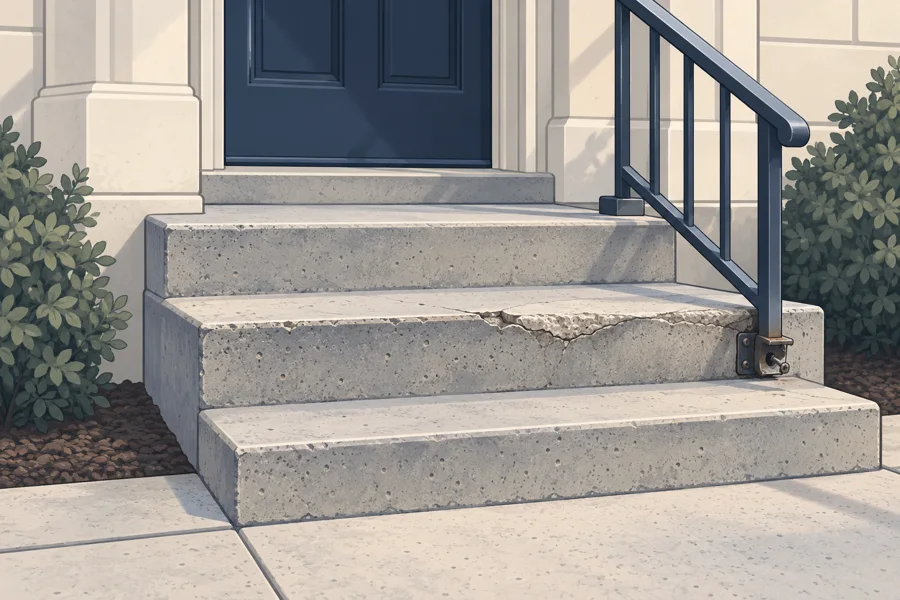
Steps and uneven surfaces
Broken stairs, loose railings, raised pavement, potholes, and poor lighting can create a fall risk. Photographs should show the defect and the surrounding approach.
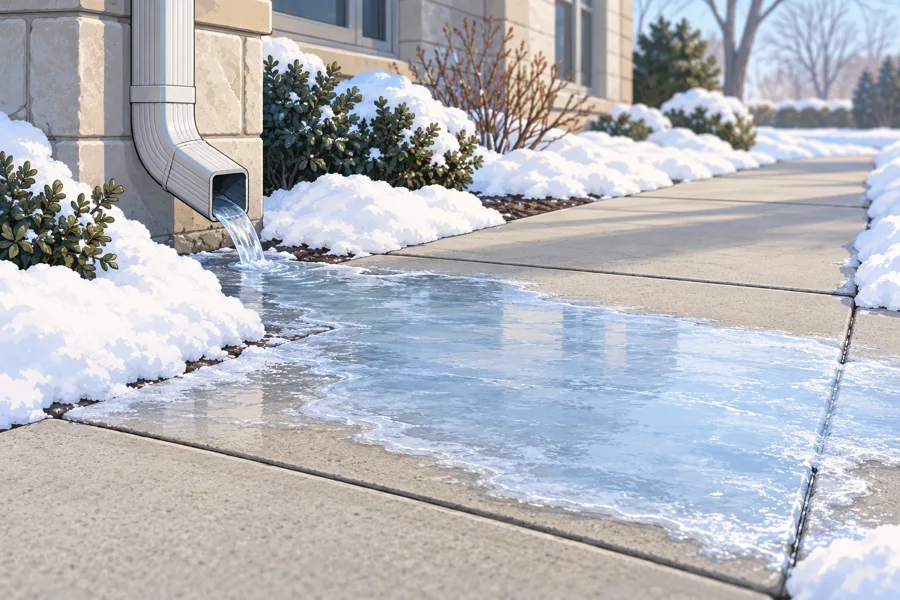
Snow, ice, and drainage
Winter falls require a different analysis. The source of the ice, drainage, snow-removal work, and the type of property can change the legal duties involved.
A slip involves losing traction; a trip often involves catching a foot on an obstruction or uneven surface. Either can cause a serious injury. What caused the fall matters more than the label.
What has to be shown in a premises claim?
Illinois’ Premises Liability Act abolished the old distinction between invitees and licensees for the duty owed by owners and occupiers. The general standard is reasonable care under the circumstances. Trespassers and certain other situations involve different rules.
A duty and an unsafe condition
We examine why you were on the property, who controlled the area, and whether the condition presented an unreasonable risk. Ownership alone does not answer every question about responsibility.
A failure to use reasonable care
The evidence may show that the defendant negligently created the hazard, knew about it, or should have discovered it in time to respond. A business is not automatically liable for every spill.
A connection to your injury
The condition must have caused the fall and resulting harm. Medical records, witness accounts, photographs, and your description of the incident help connect those facts.
Notice: what did they know, and when?
An earlier complaint or an employee’s observation may show actual notice. Constructive notice asks whether the condition should have been discovered through reasonable care. Video, inspection logs, and evidence of how long a spill existed can be important. If the owner or its employee negligently created the condition, proving separate notice may not be necessary. Illinois court guidance on notice.
For related property-injury issues, explore our Geneva premises liability practice.
Illinois snow and ice rules are different
An icy walkway does not automatically establish a claim. Illinois generally does not require property owners to remove natural accumulations of snow and ice. The investigation must identify how the condition formed and whether a recognized duty or exception applies.
Natural accumulation
Ordinary weather-related snow and ice generally fall within the natural-accumulation rule. A fall after snowfall, without more, does not establish that an owner was negligent.
An unnatural accumulation
Defective drainage, maintenance problems, or snow-removal work may create an unnatural accumulation. Refrozen downspout runoff or runoff from a plow pile are reasons to investigate, not automatic proof of liability.
Residential sidewalks have an additional protection
The Snow and Ice Removal Act protects covered people who remove or attempt to remove snow or ice from sidewalks abutting residential property, unless their misconduct is willful or wanton. That residential protection is not a blanket immunity for commercial properties.
In Murphy-Hylton v. Lieberman, the Illinois Supreme Court distinguished negligent snow removal from negligent maintenance or drainage unrelated to removal efforts. The source of the ice and the work performed matter. Commercial cases also require review of notice, control, and any snow-removal obligations.
What to do after a slip and fall
Start with safety and medical needs. Then preserve the information that may help explain what happened. If you are unable to take these steps because you are injured, ask someone you trust for help.
Your health comes first.
1
Get help and medical care
Call 911 for an emergency. Seek appropriate medical care and explain how you fell and what hurts. Do not delay treatment to collect evidence. Ask someone you trust to help if you are injured.
2
Preserve the details
If safe, photograph the hazard, the wider area, lighting, and any warnings. Get witness contact details. Report the fall to the manager or person in charge and ask for a copy of the incident report.
3
Protect the claim
Keep your shoes and clothing, receipts, medical paperwork, and correspondence. Avoid altering potential evidence. Get advice promptly about preserving video and records before they are deleted or overwritten.
Keep a clear record.
Describe what you actually observed; do not guess about how long a hazard existed. Note the time, exact location, and who you spoke with. Keep a record of missed work and the everyday activities your injuries affect.
Evidence can disappear before you feel better
A spill may be cleaned up immediately. Ice may melt, a defect may be repaired, and surveillance footage may be overwritten. There is no dependable universal retention window. A prompt preservation request can identify the relevant footage and records, but it does not guarantee that evidence still exists.
Preserve the scene
- Photographs of the hazard and approach.
- Witness names and contact information.
- Incident report and exact time of the fall.
Request the records
- Relevant surveillance footage.
- Inspection and cleaning logs.
- Maintenance requests and earlier complaints.
We can assess which parties should receive preservation requests and what records to seek. Save your own original photographs and messages, and keep a copy of anything you send to the business or insurer.
Where the fall happened can change the claim
Stores, restaurants, and parking lots
The operator, landlord, or maintenance contractor may have different responsibilities. Leases and service agreements help identify who controlled a floor, entrance, stairway, or parking area.
Apartments, hotels, and care facilities
Common areas, guest rooms, and patient-care situations raise different questions. Review our guides to apartment falls, hotel falls, and nursing-home falls.
Government property and public sidewalks
A fall on a Geneva sidewalk, at a public building, or on other government property requires early review. The responsible entity may be a municipality, another public body, or a private party. The address alone does not establish who maintained the area.
Illinois’ Tort Immunity Act can limit claims against local public entities. Section 3-102 addresses intended and permitted users and actual or constructive notice of an unsafe condition with enough time to act. This notice issue concerns the condition before the injury; it is different from reporting your fall afterward. Other immunities may also apply.
1 year
Check the deadline early
Many local-government injury suits have a one-year filing deadline under Section 8-101. Claims involving the State or federal government can have different procedures. Reporting an incident or requesting repairs is not the same as filing a lawsuit.
How the defense may challenge your claim
An insurer may dispute the condition, notice, or your own actions. We examine the evidence behind each argument instead of treating an initial denial as the final answer.
“The hazard was obvious.”
Illinois’ open-and-obvious doctrine can affect whether a duty existed. Recognized exceptions, including foreseeable distraction or deliberate encounter, depend on the facts. Simply saying you looked elsewhere is not enough. Bruns v. City of Centralia.
“We did not know about it.”
We look for prior complaints, inspection records, employee observations, and video. The timing and source of the condition can help test whether the owner created it or had an opportunity to discover it.
“You were not watching.”
Your route, visibility, warnings, footwear, and activities may be examined. Shared fault does not automatically defeat a claim, but it can reduce recovery under Illinois law.
Illinois rules that can affect your claim
50%
The shared-fault threshold
Under 735 ILCS 5/2-1116, you are barred from recovering if your share of fault is more than 50%. At 50% or less, recoverable damages are reduced by your percentage.
How the reduction works
For example, 20% fault reduces a $100,000 damages finding to $80,000. This illustrates the rule, not an estimate of your case.
2 years
The usual filing deadline
Most Illinois slip and fall injury lawsuits must be filed within two years after the claim accrues, often the date of the fall, under 735 ILCS 5/13-202.
Some deadlines are shorter
Exceptions can change the deadline. Many injury suits against local public entities or employees have a one-year deadline under 745 ILCS 10/8-101.
Do not let negotiations run out the clock
Do not assume that opening an insurance claim or negotiating a settlement pauses the lawsuit deadline. Children’s claims, wrongful death, claims against the State, and other circumstances may involve different rules. Have the specific deadline reviewed promptly.
We pursue the full value of your claim.
Your medical care, missed income, and future needs all matter. We work to document the full impact of your injuries and pursue compensation that reflects your losses.
What compensation could your case include?
The goal is to document the losses caused by the fall, including effects that may continue after initial treatment. The categories that apply depend on your circumstances.
Economic losses
- Past and future medical expenses supported by the evidence.
- Lost income and reduced future earning capacity.
- Reasonable injury-related out-of-pocket expenses.
Non-economic losses
- Physical pain and suffering.
- Emotional distress and loss of normal life.
- Disability, scarring, and disfigurement where applicable.
What affects the value of a slip and fall case?
There is no reliable universal average or simple medical-bill multiplier. Injury severity, treatment, future needs, time away from work, lasting limitations, strength of the evidence, shared fault, and available coverage all affect the assessment. A quick offer may arrive before the long-term consequences are understood.
Our team evaluates the available evidence and explains the strengths, uncertainties, and recovery options. Severe injuries may require evidence about rehabilitation, future care, or reduced earning capacity. If a fall causes a death, our Geneva wrongful death attorneys can explain the family’s potential options. Each claim depends on its own facts.
Before you accept an insurance offer
An adjuster is evaluating a claim for the insurance company. Be truthful, keep copies of communications, and avoid guessing. Before giving the property owner’s insurer a recorded statement, signing a broad medical authorization, or accepting a settlement, understand what you are being asked to provide or give up.
A settlement release can end your right to seek additional payment even if later treatment costs more than expected. Your own insurer may have different cooperation requirements, so do not simply ignore its requests. Feagans Law Group can review the policies, organize the supporting records, and handle communications on your behalf.
Kathryn’s experience on the insurance side helps inform the firm’s preparation of claims. That background provides useful context. It does not guarantee that an insurer will pay a particular amount.

What happens when you work with us
1. Listen and investigate
We learn about the fall, your injuries, and your concerns. We identify important deadlines, potential defendants, and evidence that may need preservation.
2. Build and negotiate
As the medical picture develops, we document losses and evaluate the available coverage. We explain offers and the issues that may affect a fair resolution.
3. Resolve or litigate
If settlement is appropriate, we review its terms with you. If litigation is needed, we prepare for discovery, negotiations, and potentially trial.
These stages can overlap. Treatment, disputed responsibility, expert work, and the court’s schedule affect timing. We keep the focus on your circumstances rather than promising a fixed payout or settlement date.
Your slip and fall questions, answered
What does it cost to hire Feagans Law Group?
The consultation is free. The firm handles injury cases on a contingency-fee basis: no attorney fee unless compensation is recovered. The written agreement explains the fee and how case expenses are handled.
Can I have a case if there was a wet-floor sign?
Possibly. A sign is relevant, but its placement, visibility, and relationship to the hazard matter. The condition, your route, and the precautions taken need to be reviewed together.
What if I did not complete an incident report?
That does not automatically prevent a claim. Write down what you remember and preserve photographs, witness information, and medical records. Contact the firm promptly so available evidence and deadlines can be reviewed.
Can I recover if I had a preexisting injury?
A preexisting condition does not automatically rule out a claim. The evidence must distinguish prior problems from new harm or aggravation caused by the fall. Be accurate about your medical history and symptoms.
Do slip and fall cases always go to trial?
No. Some resolve through negotiation; others require litigation. The evidence, disputed issues, treatment, and available coverage affect the path. We explain settlement terms and prepare for court when needed.
What should I bring to a consultation?
Bring the date and location, photographs, witness contacts, incident report, medical paperwork, and insurer letters you have. Keep your shoes and clothing. You do not need a complete file before calling.
Talk with a Geneva slip and fall attorney
Broken bones, head injuries, and back or spinal injuries can affect far more than your medical bills. Tell us what happened and how the injury is affecting your life. Call (630) 940-2093 or request a free consultation below.

Let our family help yours.
Personal attention starts with a conversation. Meet with our Geneva team to discuss your next step.
Feagans Law Group
477 S. Third Street, Suite 210
Geneva, IL 60134