





Your family deserves answers. You do not have to find them alone.
Feagans Law Group P.C. helps families in Geneva pursue accountability and financial support after a death caused by someone else’s wrongdoing. We investigate what happened, handle the legal work, and explain your options while you focus on your family.
No claim can replace the person you love. It can help address the income, care, and companionship your family has lost. You do not need to know who was responsible or have every record before speaking with us.
 Reviews
★★★★★
“They have been great at listening and providing honest and professional communication.”
Daniel Wheeler
★★★★★
“They go above and beyond, to fight on your behalf and help you get the outcome you deserve.”
★★★★★
“They treated me like family throughout the process and assured my best interest remained priority.”
We handle the claim with care for the people behind it
After an unexpected death, insurance calls and unanswered questions can arrive before your family has had time to grieve. Our husband-and-wife founding team offers personal attention and a clear explanation of the next steps.
- Investigate the incident and preserve records before they disappear.
- Identify responsible parties and available insurance coverage.
- Address who can act for the estate and pursue the appropriate claims.
- Document your family’s losses, negotiate, and prepare for trial when needed.
Kathryn Feagans’ experience as an insurance adjuster and attorney for insurers informs how the firm prepares claims. Joshua Feagans leads the trial team and litigation practice.

Results for injured people and families
$12.3M
Wrongful Death
Trial representation for the family in Parks v. Estate of Martin.
$8.51M
Construction Accident
Settlement for multiple injuries in Bradley v. Drive Construction.
$1.25M
Car Accident
Policy-limit settlement in Snodgrass v. Frye.
These examples include a wrongful death result and other cases from the firm’s injury practice. Past results do not guarantee a similar outcome. Every case depends on its own facts.
Meet Joshua and Kathryn Feagans
Joshua and Kathryn Feagans founded the firm to provide Geneva residents with high-quality, personal legal representation.

Joshua M. Feagans
Joshua is a founding partner and leads the firm’s trial team and litigation practice.

Kathryn A. Feagans
Kathryn oversees the personal injury practice. Her past work as an insurance adjuster and attorney for insurers informs how she prepares and presents injury claims.
Awards & associations


When a death may give rise to a claim
A fatal outcome does not by itself establish legal responsibility. Under the Illinois Wrongful Death Act, the wrongful conduct must have supported a claim by your loved one had they survived. We examine the evidence linking that conduct to the death.

Fatal vehicle crashes
Crashes involving cars, commercial trucks, or motorcycles may require review of driver conduct, vehicle evidence, and company records.

Medical and care failures
A death following medical treatment or nursing-home care requires careful review of records and expert opinions. An unexpected outcome alone does not prove malpractice.
Unsafe property or products
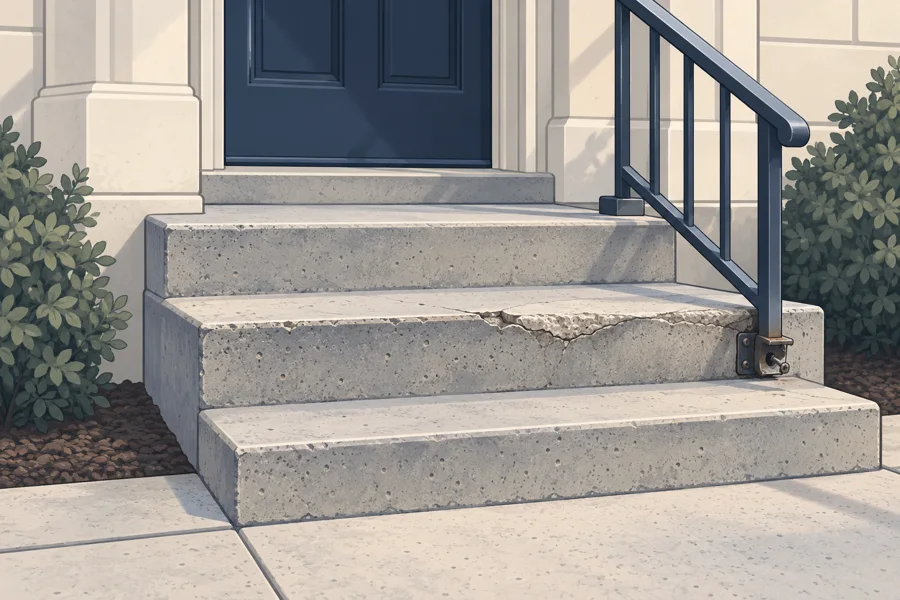
Fatal falls, fires, equipment failures, and defective products can involve several parties. We investigate the hazard, who controlled it, and the connection to the death.
A fatal workplace incident may also involve workers’ compensation death benefits and a claim against a responsible third party. The available options depend on the employment relationship and the facts.
Who brings the case, and who is it for?
A representative brings the claim
Illinois requires the deceased person’s personal representative to bring the wrongful death action. Being a relative or being named in a will does not, by itself, establish authority to sue. We can explain the appointment needed.
The claim benefits surviving family
Wrongful death recovery generally benefits the surviving spouse and next of kin. Which relatives qualify depends on the family structure. The court determines distribution under the statute; it is not simply divided among everyone named in a will.
You can contact us before an estate has been opened. Tell us whether anyone has already been appointed and whether there are minor children or disagreements about representation. We can help identify the next step.
Two claims can address different losses
A wrongful death claim and a survival claim may arise from the same event. They serve different purposes, and the same loss cannot be recovered twice.
Losses your family faces
The wrongful death claim concerns the harm to eligible surviving family members.
- Lost financial support, benefits, and household services.
- Loss of companionship, guidance, and society.
- Grief, sorrow, and mental suffering.
Harm your loved one experienced
A claim under the Illinois survival statute preserves eligible claims belonging to the deceased person’s estate.
- Conscious pain and suffering before death.
- Medical expenses and earnings lost between injury and death.
- Other proven losses recoverable by the estate.
What about funeral costs and the value of the case?
Medical, funeral, and burial expenses need to be assigned to the legally appropriate claim. Who incurred or paid them matters. Keep the bills and receipts so we can review them.
There is no reliable average settlement for your family. The evidence, available coverage, financial contributions, household care, and family relationships all matter. A person’s contribution to a family is not measured only by a paycheck.
Protecting your family’s future starts with a conversation
You may be worried about bills, children, or what happens next. We can review the circumstances, explain the options, and help you make an informed decision about a claim.
A few steps can protect your family’s options
You do not have to build the case yourself. Start with what you know and the records already available to you.
A police or coroner’s investigation may help, but it does not replace a civil investigation or stop every filing deadline.
1
Keep the information you have
Save incident and police-report numbers, photos, witness details, medical-provider names, insurance correspondence, and relevant messages. Keep the death certificate and any estate paperwork when available.
2
Ask about preserving evidence
Vehicles, defective products, surveillance video, and electronic records may be important. Tell us promptly about anything that could be repaired, discarded, or overwritten. We can identify appropriate preservation requests.
3
Get advice before signing
Before accepting a payment or signing an insurer’s release, understand which claims it would resolve. Bring any offer to your consultation. We can review coverage, deadlines, and the losses that still need to be documented.
Do not assume every claim has the same deadline
The usual wrongful death deadline
The general rule is two years from the date of death. Exceptions apply. Survival claims can have a different clock, so the date of injury may also matter.
Some cases need earlier action
Many claims against local public bodies or employees have a one-year deadline. Patient-care claims have separate rules. Medical malpractice, state or federal defendants, and certain criminal acts can change the analysis.
Have the specific deadlines reviewed promptly. Waiting for an insurer, an estate appointment, or an investigation can put a claim at risk. We can identify the steps that must happen while other questions are still being answered.
What happens when you work with us
1. Listen and investigate
We learn about your loved one and the circumstances, review deadlines, and identify the records and experts the case may require.
2. Document and pursue
We develop the evidence, explain the claims, and present your family’s losses to the responsible parties and insurers.
3. Seek a resolution
We discuss settlement terms with you and prepare for litigation when needed. We explain any court approvals and distribution steps.
Questions families ask us
What does it cost to hire Feagans Law Group?
The consultation is free. We handle wrongful death cases on a contingency fee basis, with no attorney fee unless compensation is recovered. Your written agreement explains the fee and how case expenses are handled.
Does there have to be a criminal charge or conviction?
No. A wrongful death claim is a civil action with its own requirements and burden of proof. It may be possible even if no charges are filed. A criminal investigation can affect the evidence and timing, so tell us about any pending proceedings.
What if an insurer blames my loved one?
An allegation is not a finding of fault. We examine the evidence. In an Illinois negligence case, fault attributed to the deceased of more than 50% generally bars recovery; 50% or less generally reduces damages proportionately. The applicable rules depend on the claim.
Is an autopsy necessary?
Not every claim requires an autopsy, but the cause of death must be supported by evidence. Medical records, coroner findings, and expert opinions may be important. If the cause is uncertain, contact counsel promptly about whether further medical investigation is appropriate.
How long does a wrongful death case take?
There is no fixed timeline. Disputed responsibility, expert reviews, insurance coverage, court schedules, and estate issues affect timing. Some cases settle without trial. Our guide to wrongful death lawsuit timelines explains the main factors.
Are punitive damages ever available?
They may be available when the law and facts support them, but they are not automatic. Illinois excludes them in medical and legal malpractice actions and specified government cases. We review eligibility separately from compensation for the family’s losses.
Would the case be heard in Geneva?
Kane County is part of Illinois’ 16th Judicial Circuit. Many civil proceedings take place at the Kane County Courthouse in Geneva. The proper court and hearing location depend on the defendants and facts. We explain where the case belongs.
Tell us about your loved one. We’ll explain the next step.
Speak with our Geneva wrongful death attorneys about what happened and the questions your family is facing. Bring what you have. We can help identify what else is needed.
Let our family help yours.
Personal attention starts with a conversation. Meet with our Geneva team to discuss your next step.
Feagans Law Group
477 S. Third Street, Suite 210
Geneva, IL 60134