





Your recovery matters. Your side of the story does, too.
Feagans Law Group P.C. helps injured motorcycle riders and passengers in Geneva pursue compensation for medical care, lost income, and the lasting effects of a crash. We investigate what happened and handle the claim so you can focus on getting better.
Being on a motorcycle does not make you responsible for a collision. Our husband-and-wife founding team takes time to understand your injuries, your concerns, and the evidence behind your case. Start with a free consultation, even if you do not have every record yet.
 Reviews
★★★★★
“They have been great at listening and providing honest and professional communication.”
Daniel Wheeler
★★★★★
“They go above and beyond, to fight on your behalf and help you get the outcome you deserve.”
★★★★★
“They treated me like family throughout the process and assured my best interest remained priority.”
How our Geneva motorcycle accident lawyers help
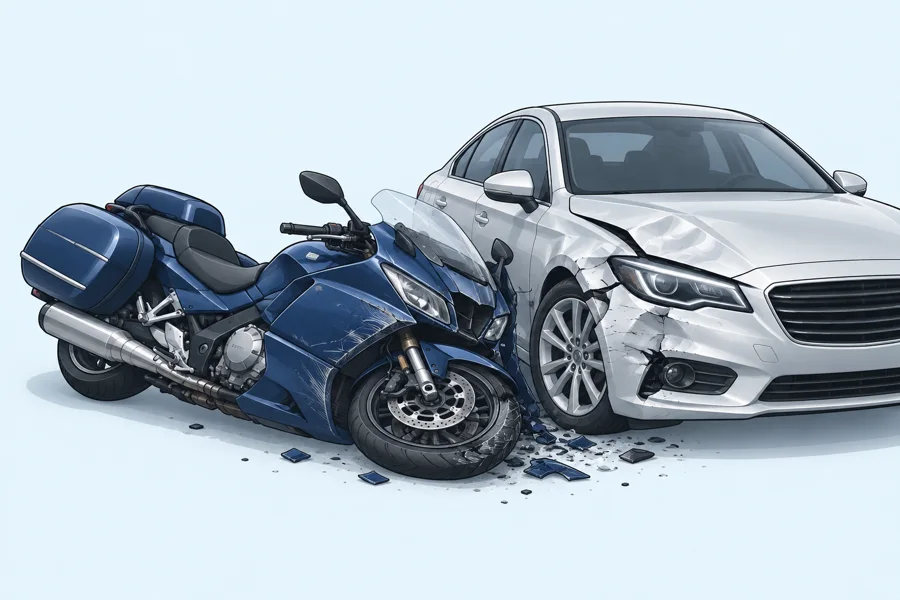
A driver saying “I did not see the motorcycle” is the start of an investigation, not the end of one. We look at visibility, right of way, vehicle damage, witness accounts, and available video.
- Seek preservation of camera footage, the motorcycle, and other evidence.
- Identify responsible parties and the insurance policies that may apply.
- Document treatment, missed work, and future care needs.
- Manage insurer communications and prepare for litigation when needed.
Learn more about what a motorcycle accident lawyer does.
Meet Joshua and Kathryn Feagans
Joshua and Kathryn Feagans founded the firm to provide Geneva residents with high-quality, personal legal representation.

Joshua M. Feagans
Joshua is a founding partner and leads the firm’s trial team and litigation practice, including serious motor vehicle injury cases.

Kathryn A. Feagans
Kathryn oversees the personal injury practice. Her past work as an insurance adjuster and attorney for insurers informs how she prepares and presents injury claims.
Awards & associations


Look beyond the stereotype. Follow the evidence.
An insurer may question your speed, lane position, or riding decisions. We examine those claims against the physical evidence. Kathryn’s experience as an insurance adjuster and attorney for insurers informs the firm’s preparation of injury claims.
Left turns and intersections
A vehicle turning across a rider’s path can leave little room to react. Signals, sight lines, turning movements, and witness accounts help establish what each person could see.
Lane changes and rear impacts
Blind spots, following distance, and distractions may explain a collision. Phone records and video can matter in motorcycle crashes involving distracted driving.
Road conditions and equipment
Loose gravel, damaged pavement, debris, or a failed component may require a different investigation. Preserve the bike and parts before repairs, disposal, or a salvage transfer.
For a crash on Route 31, Randall Road, or Route 38, the exact location and conditions matter more than the road’s name. As riding resumes in spring and continues through summer, photographs of gravel, pavement changes, or road work can help preserve conditions that later disappear.
After a motorcycle crash, start here
You do not have to manage every detail while you are hurt. Focus on care first, then get help protecting the information that may support your claim.
Your health comes first.
1
Get care and report the crash
Call 911 for an emergency and seek appropriate medical care. Follow responders’ instructions. Tell your provider about your symptoms, including head, neck, or back symptoms that develop later.
2
Preserve what you can
If safe, photograph the scene, vehicles, road surface, and visible injuries. Keep witness details, the report number, helmet-camera footage, damaged gear, and repair records. Ask someone you trust for help if you cannot do this yourself.
3
Protect your next decision
Notify your own insurer as your policy requires. Keep bills and correspondence. Get advice before signing a release, authorizing disposal of the motorcycle, or giving the other driver’s insurer a recorded statement.
Act before evidence disappears
Video may be overwritten and vehicles repaired. Early action can matter long before the lawsuit deadline.
A serious injury can change life beyond the hospital
Road rash, fractures, burns, and head or spinal injuries can affect work, sleep, mobility, and independence. Your claim should reflect the diagnosed injury and its effects, including rehabilitation, future treatment, scarring, and the help you need at home.
Brain and spinal injuries
Medical records and specialist opinions help explain lasting limitations. Our guides discuss brain injuries after motorcycle crashes and motorcycle-related spinal cord injuries.
Passengers and grieving families
An injured passenger may have a claim against a negligent driver, including the motorcycle operator. If a collision takes a loved one’s life, our Geneva wrongful death attorneys can explain the family’s options.
The insurance picture may involve more than one policy
The responsible driver
We examine liability coverage and whether another person or business shares responsibility. A policy limit can affect available payment, but it does not measure the full extent of your losses.
Your own UM and UIM coverage
Uninsured motorist coverage may apply to a qualifying uninsured-driver or hit-and-run injury claim. Underinsured motorist coverage may help when the at-fault driver’s limits are inadequate. Policy terms, exclusions, limits, and offsets matter.
Bring the motorcycle policy and any other potentially relevant policies to your consultation. Do not assume your auto policy covers the bike or that UIM automatically adds its full limit to the other driver’s insurance. We review the coverage and any settlement-consent requirements before you release a claim.
We pursue the full value of your claim.
Your medical care, missed income, and future needs all matter. We work to document the full impact of your injuries and pursue compensation that reflects your losses.
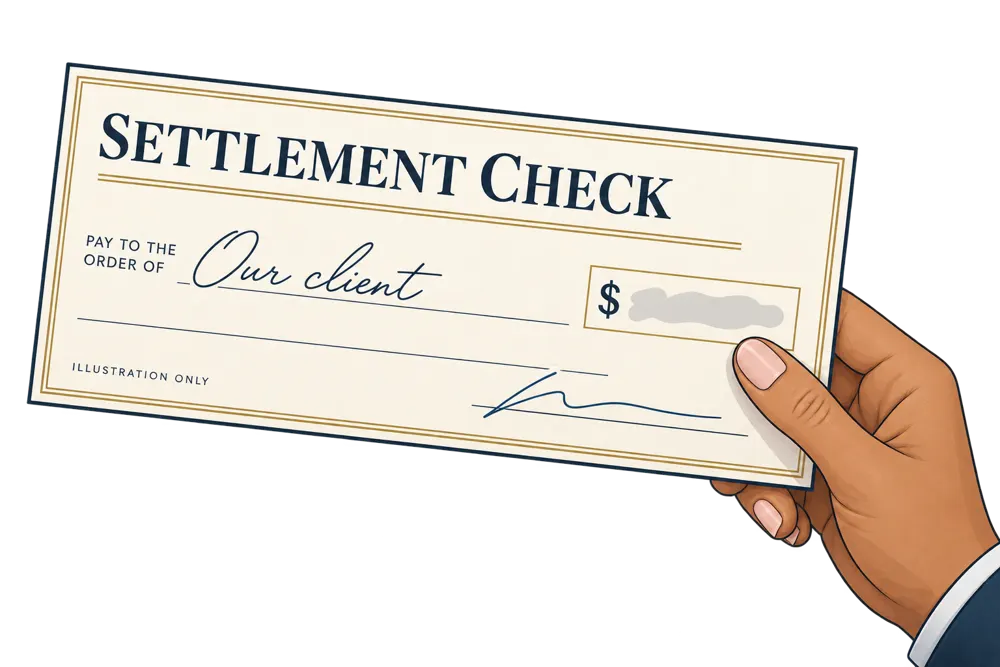
What compensation could your claim include?
Financial losses
- Past and future medical care and rehabilitation.
- Lost wages and reduced earning capacity.
- Reasonable injury-related expenses.
- Motorcycle repairs or total loss, damaged riding gear, and supported custom-part losses, subject to coverage and valuation.
The personal impact
- Physical pain and suffering.
- Disability and loss of normal life.
- Scarring and disfigurement.
- Emotional distress and other supported consequences.
What affects the value of a motorcycle case?
There is no reliable average payout for your situation. Injury severity, future care, income loss, disputed fault, evidence, and available coverage all matter. Save receipts and photographs for the bike, helmet, protective clothing, and custom equipment. We help document the losses instead of relying on a quick estimate.
Two Illinois rules to understand early
Fault: more than 50%
Under Illinois’ comparative fault rule, you cannot recover if your share of fault is more than 50%. At 50% or less, recoverable damages are reduced by your share. For example, 20% fault reduces a $100,000 damages finding to $80,000. This illustrates the rule, not a case valuation.
Time: usually two years
Most Illinois crash injury lawsuits must be filed within two years after the claim accrues, often the crash date. Exceptions apply. Many injury suits against local public entities or employees have a one-year deadline. Claims involving children, a death, or the State may follow different rules.
Opening an insurance claim does not necessarily pause the lawsuit deadline. If a road defect or government vehicle may be involved, have the deadline, responsible entity, and potential immunities reviewed promptly.
Results for injured people and families
$12.3M
Wrongful Death
Trial representation for the family in Parks v. Estate of Martin.
$8.51M
Construction Accident
Settlement for multiple injuries in Bradley v. Drive Construction.
$1.25M
Car Accident
Policy-limit settlement in Snodgrass v. Frye.
These results involve different types of injury cases, not motorcycle claims. Past results do not guarantee a similar outcome. Every case depends on its own facts.
What happens when you work with us
1. Listen and investigate
We learn about the crash and its impact on you, identify deadlines, and seek the evidence needed to evaluate responsibility.
2. Build and negotiate
We document your losses, review coverage, and explain offers as your medical picture develops. You can ask questions throughout the process.
3. Resolve or litigate
We review settlement terms with you. If litigation is needed, we prepare for discovery, negotiations, and potentially trial.
These stages can overlap. Treatment, disputed fault, and the court’s schedule affect timing. Your case will guide the next step.
Motorcycle accident questions, answered
Does Illinois require motorcycle helmets?
Illinois does not currently have a universal helmet requirement for motorcycle operators or passengers. A helmet remains an important safety measure. Not wearing one does not by itself establish who caused a crash. If an insurer raises helmet use, we review the specific evidence and applicable law rather than accept an automatic denial.
What eye protection is required?
Illinois requires operators and passengers to have eye protection through qualifying glasses, goggles, or a transparent shield. A qualifying windshield or face shield can satisfy the shield requirement. Contact lenses alone do not. See 625 ILCS 5/11-1404 for the requirements.
Is lane splitting legal in Illinois?
No. The Illinois Motorcycle Operator Manual explains that riders may not pass between two vehicles traveling in the same direction unless an unobstructed traffic lane allows the pass safely. A disputed riding maneuver requires a fact-specific fault analysis.
What if the driver says they never saw me?
That statement does not resolve responsibility. We examine the driver’s turn or lane change, lighting, sight lines, speed evidence, witnesses, and video. A motorcycle’s smaller size does not excuse a driver from using reasonable care.
How much does it cost to hire the firm?
The consultation is free. Feagans Law Group handles injury cases on a contingency fee basis, with no attorney fee unless compensation is recovered. The written agreement explains the percentage and treatment of case expenses. Our guide to motorcycle attorney fees and costs explains the questions to ask.
Should I accept the first insurance offer?
An early offer may arrive before future care and work restrictions are clear. A signed release can end your right to seek additional payment. Have the offer, release, medical outlook, and any other coverage reviewed before deciding.
Tell us what happened. We’ll help you understand what comes next.
You can contact our Geneva office about your own injuries or a loved one’s crash. Bring whatever information you have. We will listen, explain the next step, and help you understand your options.
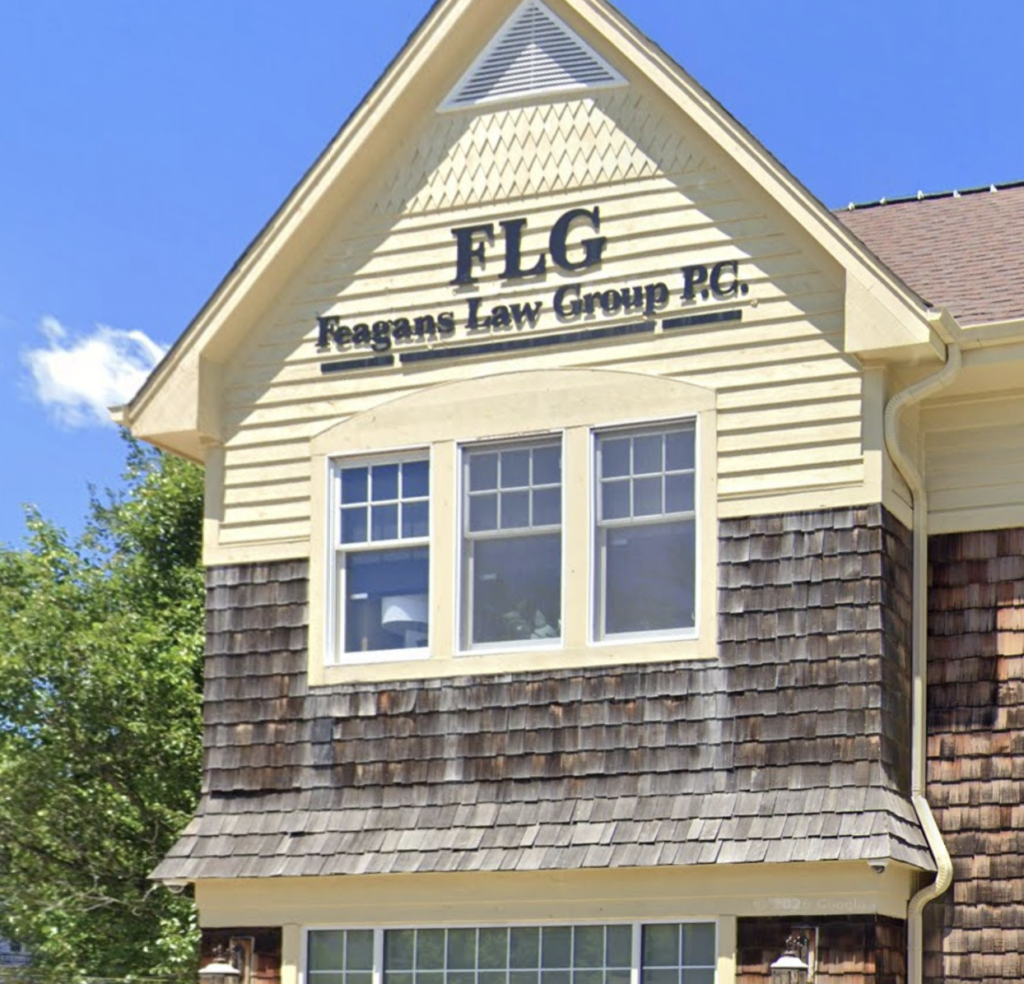
Let our family help yours.
Personal attention starts with a conversation. Meet with our Geneva team to discuss your next step.
Feagans Law Group
477 S. Third Street, Suite 210
Geneva, IL 60134